

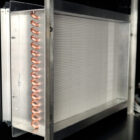
Description
Product Description

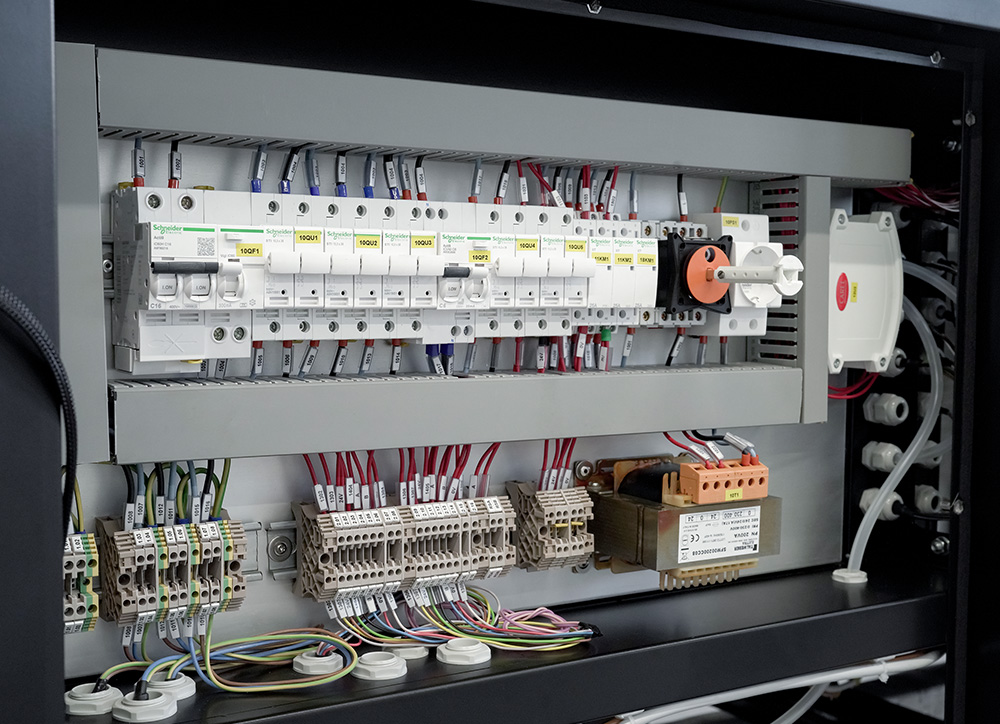
Control system
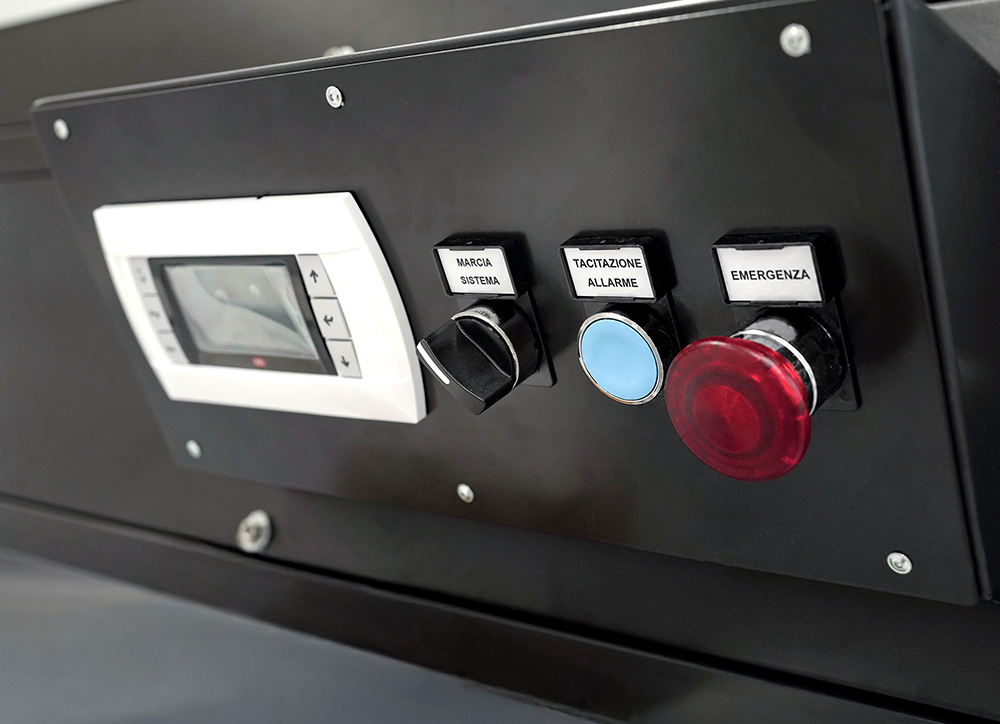
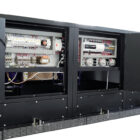
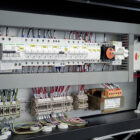
The control system is based on the Carel Pco5+ programmable controller and manages:
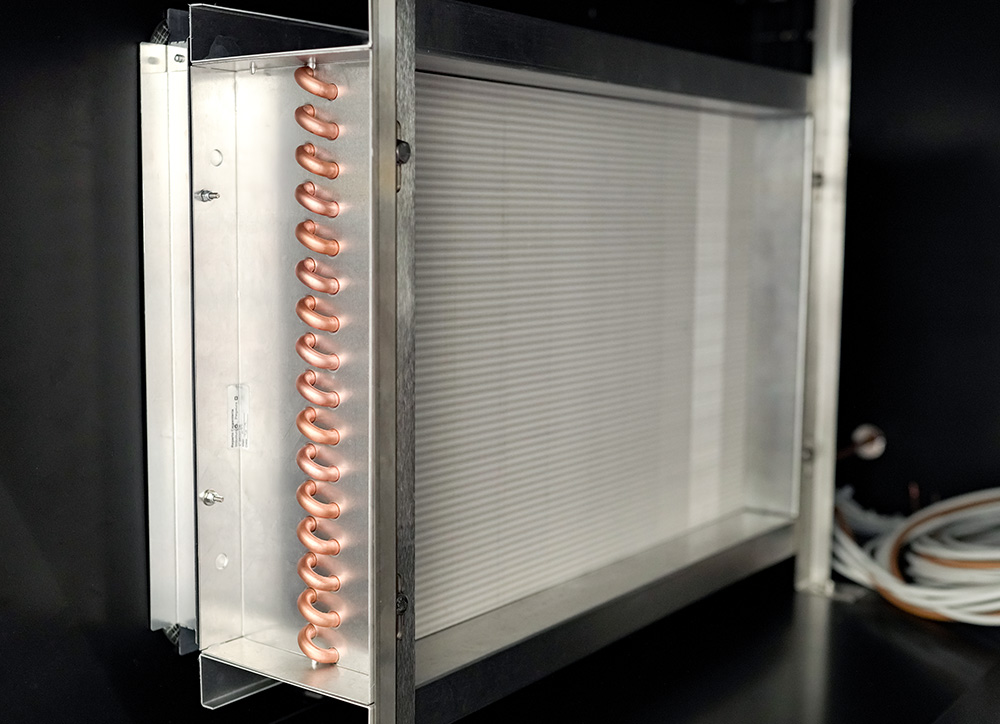
- Regulation of supply air temperature (setpoint 21 ± 0.5 °C) via motorized valves on the exchangers;
- Fan speed control (airflow modulation via 0-10V signal);
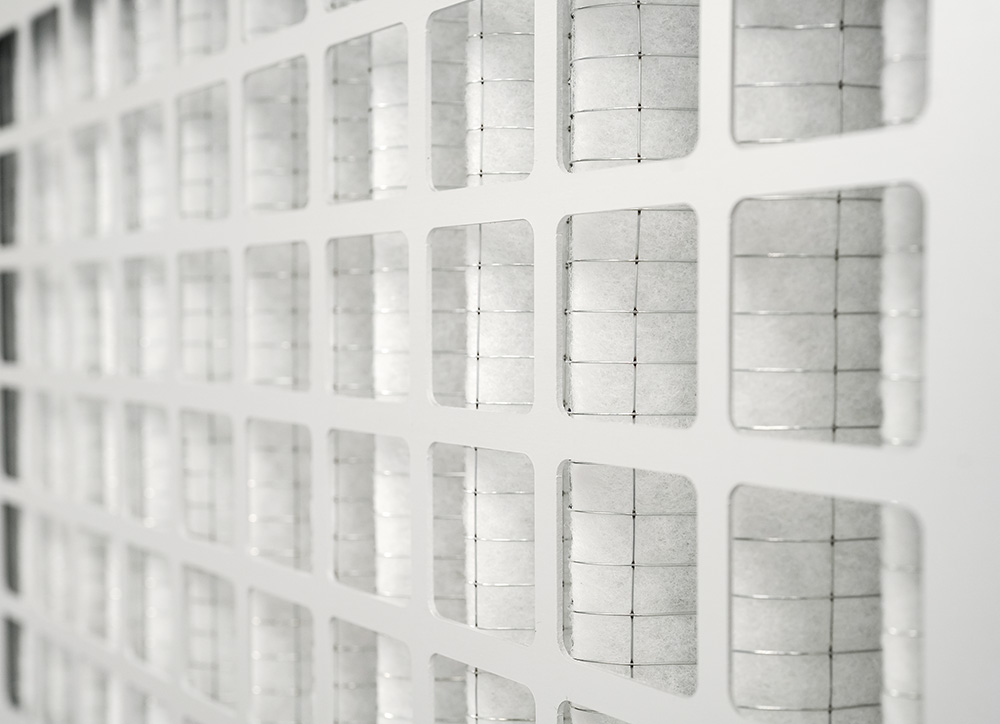
- Filter status monitoring via pressure switches (G4 pre-filters on Module 1 and 2, sampled HEPA absolute filter);
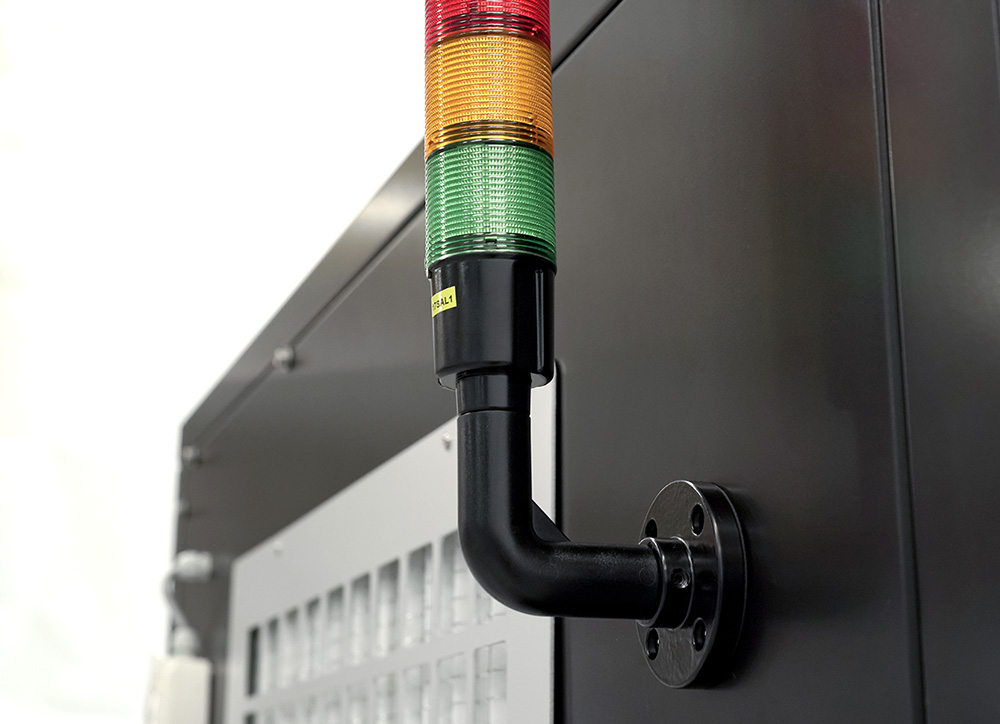
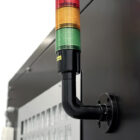
- Alarm management with activation of an acoustic/visual signal tower;
- Remote supervision via BMS protocol (Modbus RTU over RS-485).
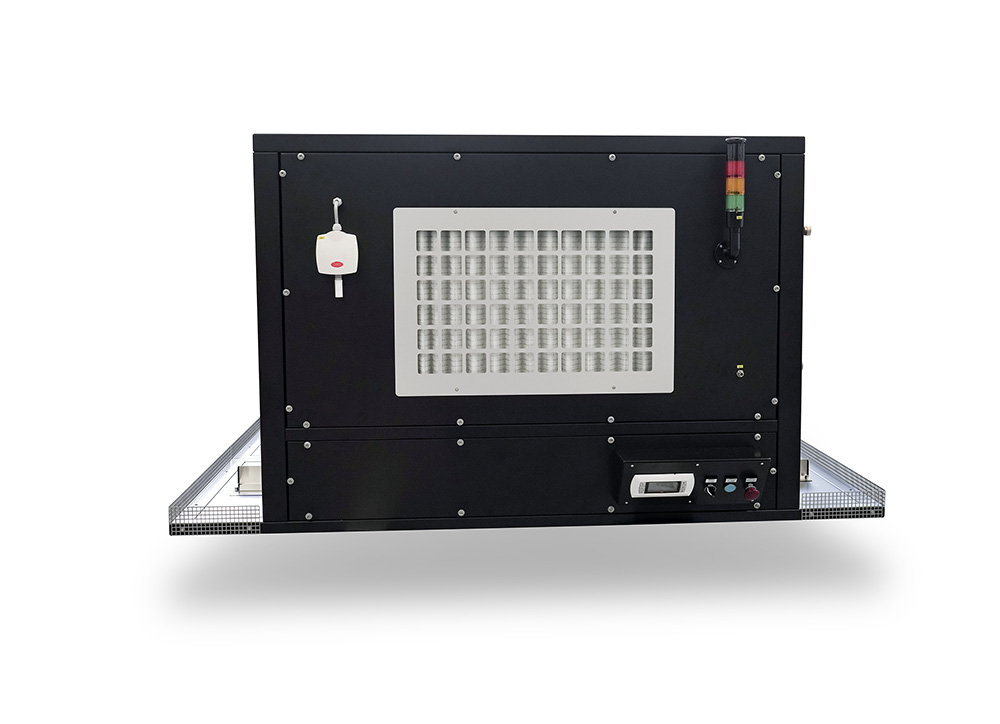
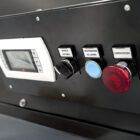
The pGD1 keypad interface allows the operator to consult plant status, view the main process values, check alarms/pre-alarms and adjust the authorized operating parameters (temperature setpoint, alarm thresholds/delays, fan speed limits). It does not replace the physical control and safety devices (run selector, emergency stop button, microswitches).
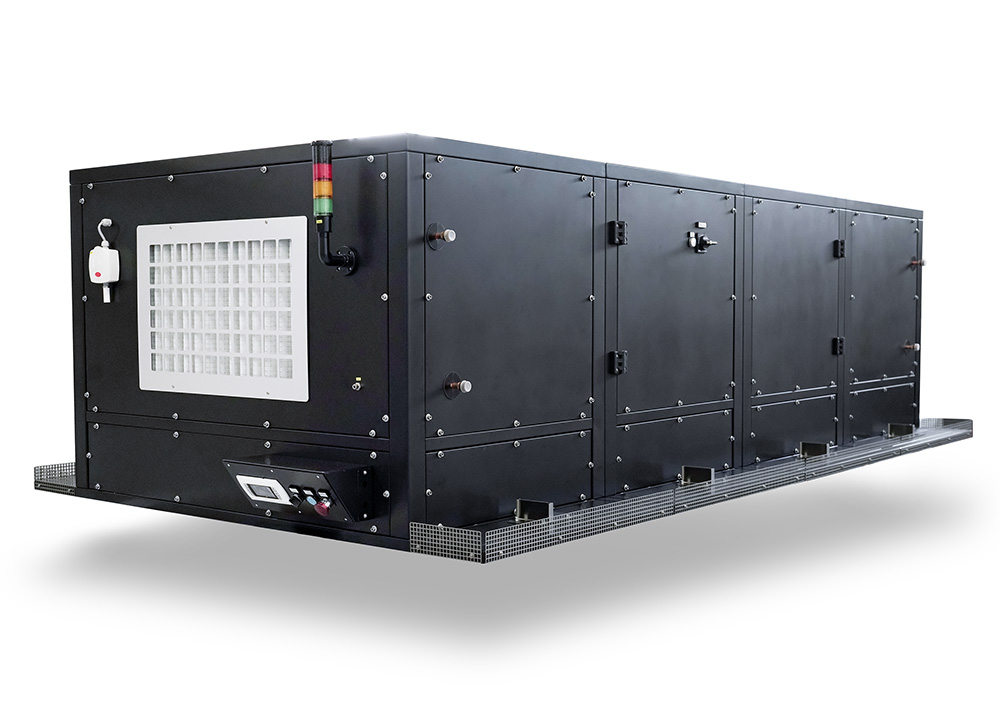
A signal tower provides at-a-glance status indication (steady green = running normally; flashing green = running with plenum temperature out of tolerance; steady amber = OFF by selector; flashing amber=pre alarm, unit still running; flashing red = serious alarm, unit stopped; steady red = emergency stop pressed).
Standard features
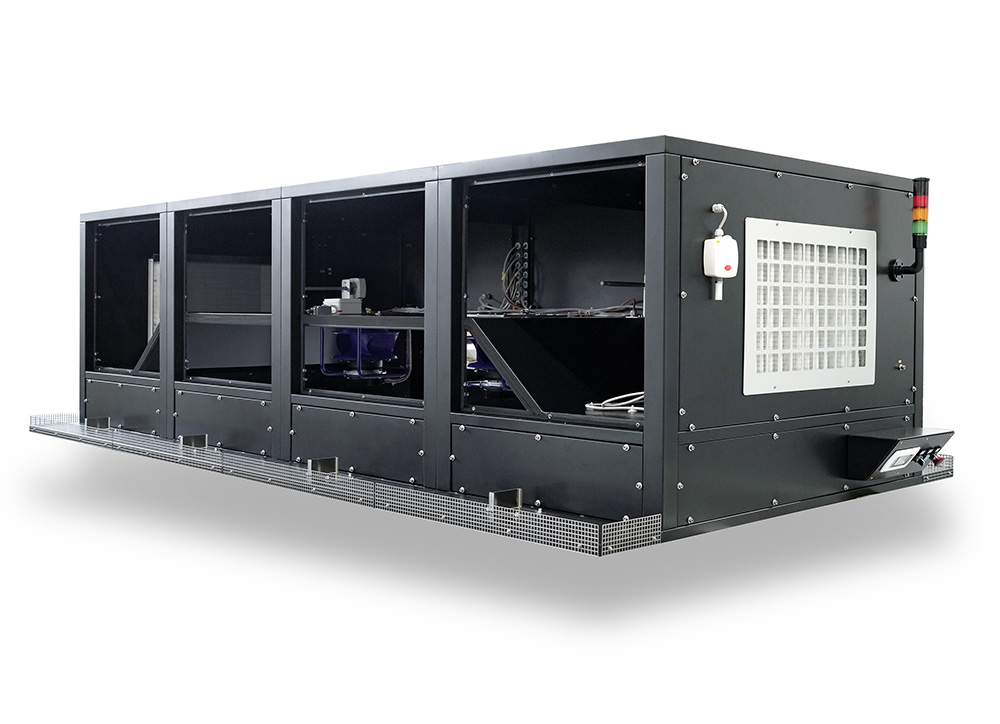
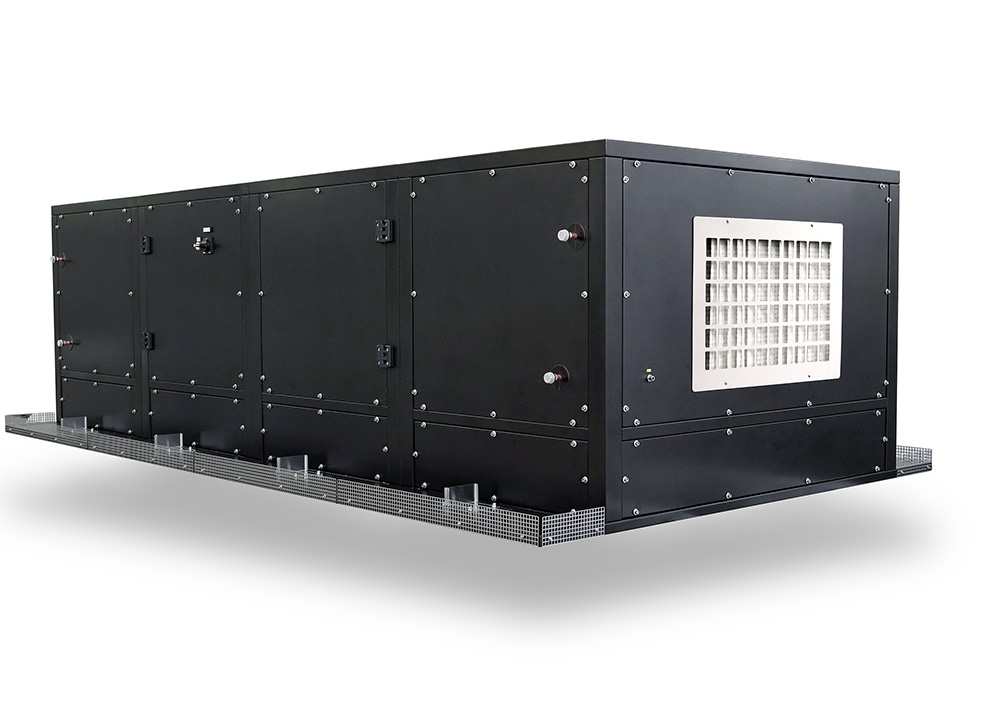
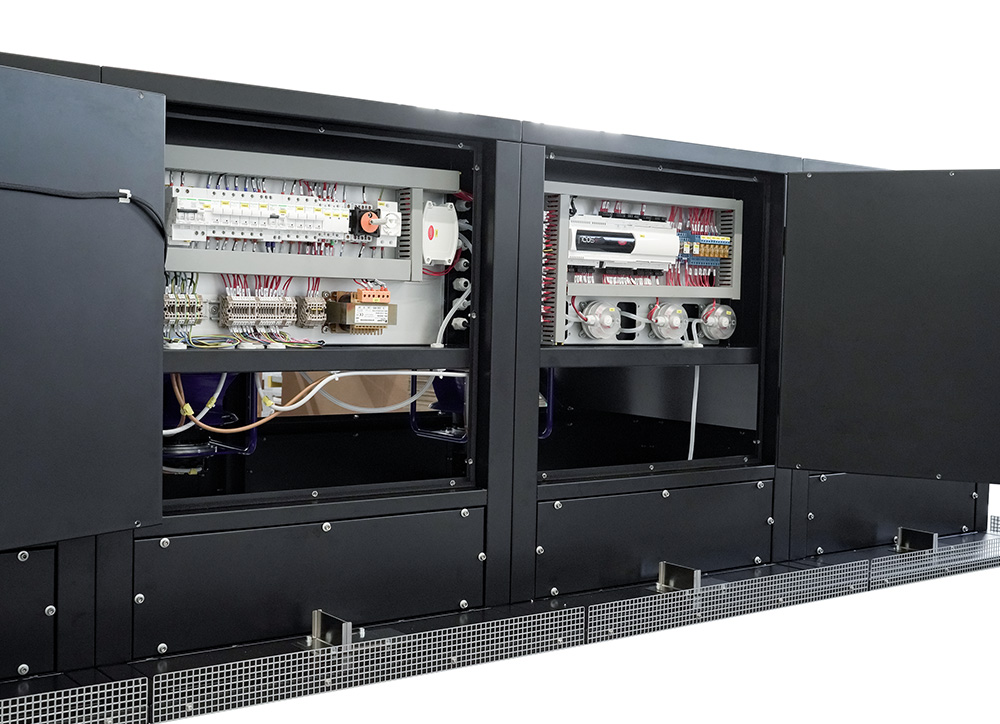
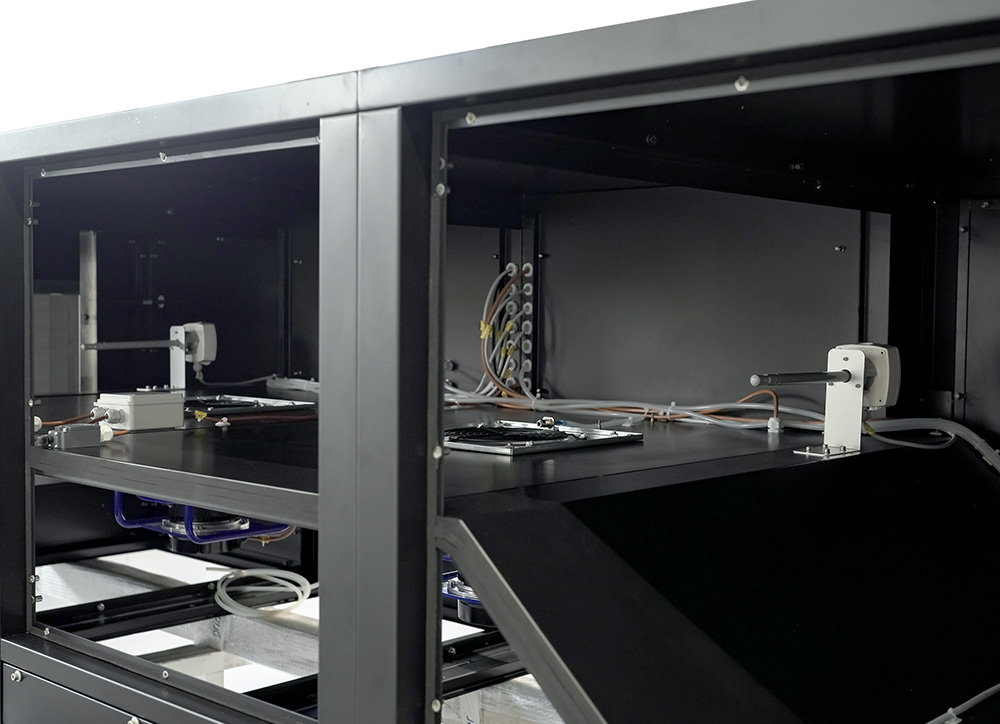
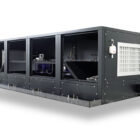
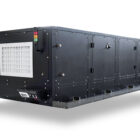
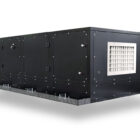
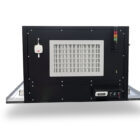
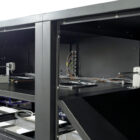
- Modular construction (2 ventilation/treatment modules + 2 filtering end-modules);
- Painted tubular steel structure with sandwich panels and transparent Perspex inspection doors;
- Two centrifugal EC fans with integrated mixing units for anti-condensation control;
- G4 pre-filtration stage with clogging pressure switches;
- H14 HEPA absolute filtration stage, ISO 6 cleanliness class;
- Programmable microprocessor control (Carel Pco5+) with pGD1 keypad interface;
- Signal tower (acoustic/visual alarm indication);
- Fixed guards on fan blades;
- Modbus RTU/RS-485 BMS connectivity;
- CE marking in accordance with the Machinery Directive 2006/42/EC, Low Voltage Directive 2014/35/EU and EMC Directive 2014/30/EU.
Optional accessories
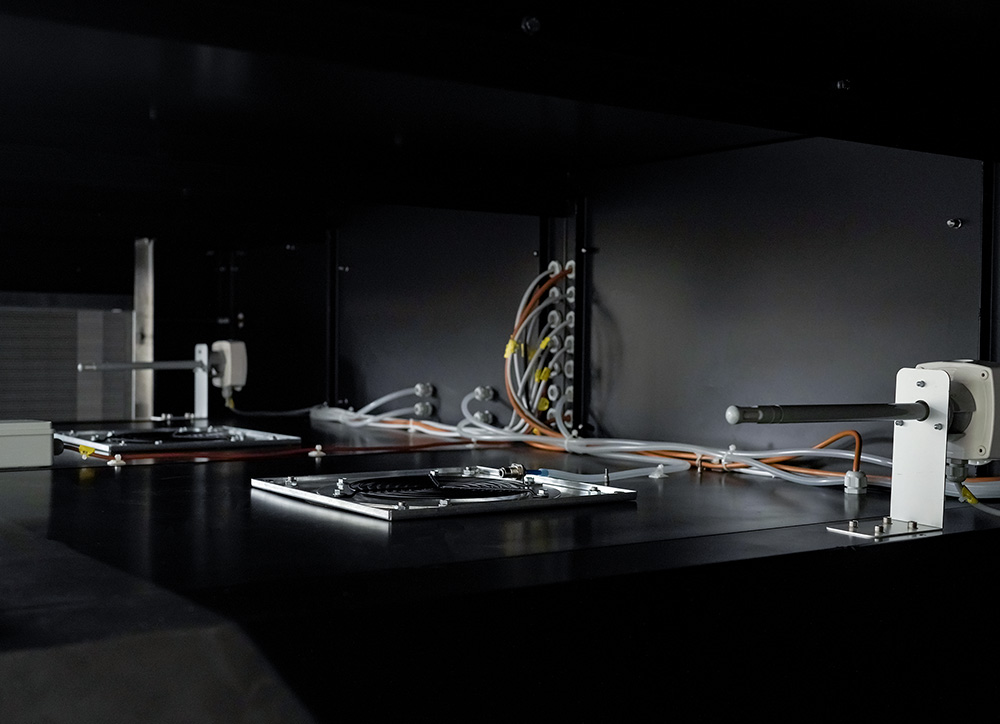
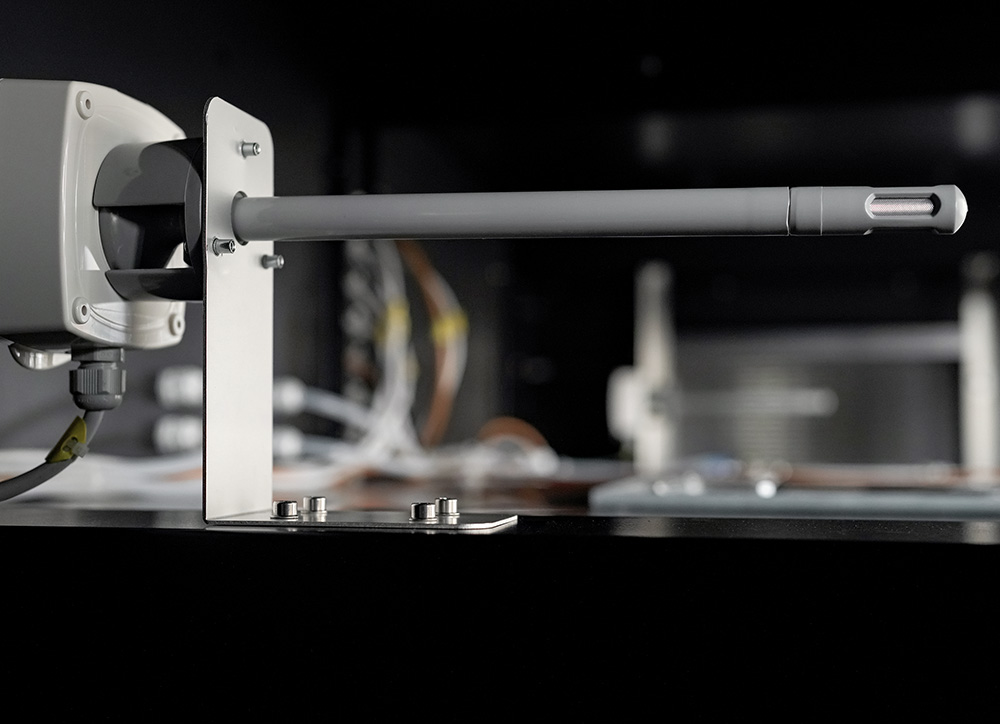
- Additional temperature/humidity sensors;
- Extended BMS supervision packages;
- Spare filter kits (G4 pre-filters, H14 HEPA filters);
- Custom dimensional configurations to match different optical table footprints.
Intended use
Designed for use in combination with a customer-supplied optical table and side sliding compartmentation walls, in laboratory environments requiring controlled temperature and air purity above sensitive optical equipment. Not intended for use in explosive or potentially explosive atmospheres, and not designed to allow personnel to enter the workspace between the hood and the optical table (hand access only, for placement/retrieval of optical instruments).


